Iran launches new organization to boost international scientific, technological cooperation
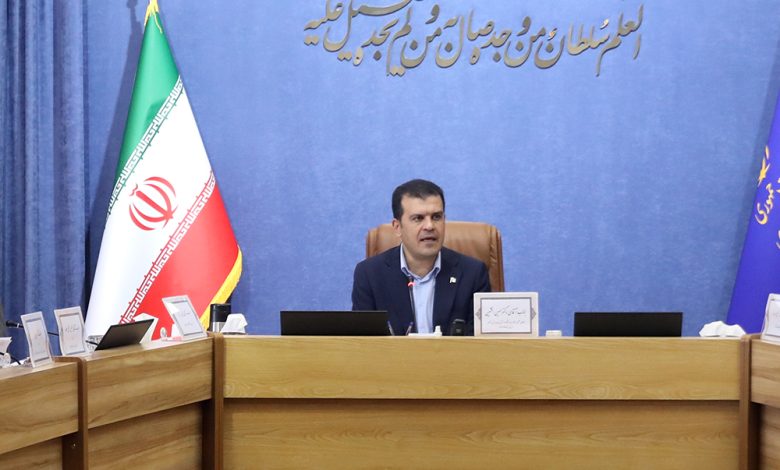
Iran has officially launched the Organization for the Development of International Scientific and Technological Cooperation (ODISTC) to strengthen global partnerships in research, innovation, and technology, while supporting domestic and international talent.
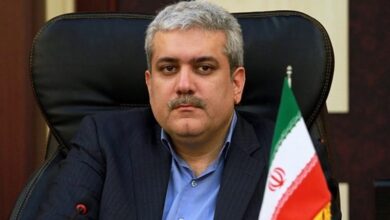
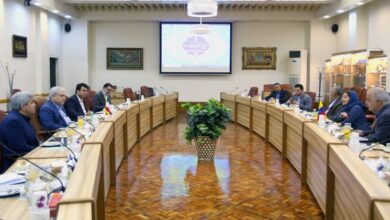
At the first meeting of the organization’s board of trustees, Vice President for Science, Technology, and Knowledge-Based Economy, Hossein Afshin, said the new body builds on the experience of the former International Interactions Center.
He emphasized that the organization’s dual mission is facilitation and protection of human capital in the scientific and technological sectors.
Afshin highlighted plans to simplify the participation of foreign researchers in Iran, support dual-national academics, resolve residency and employment issues for elite scientists, and streamline international academic exchanges.
He also stressed efforts to engage Iranian scholars abroad through structured programs that encourage return or collaboration.
The organization will also expand cooperation in humanities, social sciences, and arts, in addition to engineering and medical fields, and aims to support innovation-driven exports through Iranian “innovation and technology houses” abroad.
Board meetings will be held at least twice annually, with a permanent commission implementing key strategic decisions.
Iran expands global scientific, technological cooperation initiatives
The Organization for the Development of International Scientific and Technological Cooperation (ODISTC) has outlined new priorities aimed at expanding Iran’s scientific and technological presence worldwide, with a strong focus on fostering research partnerships and attracting international expertise.
Speaking on Monday, Hossein Rouzbeh, the head of ODISTC, stressed the importance of accurately identifying global opportunities and capacities to ensure lasting and effective engagement.
“Scientific and technological presence without precise knowledge and continuity will not yield desirable results,” he said.
Rouzbeh announced plans to deepen collaboration with foreign researchers and entrepreneurs, using their expertise in joint educational, research, and innovation projects.
According to him, joint research and development programs with countries such as China, Russia, and Turkey are already underway.
The organization’s first priority is to draft a comprehensive roadmap for Iran’s scientific and technological relations, defining long-term strategies for cooperation.
Other goals include expanding export markets for knowledge-based products, leveraging investments from the Iranian diaspora, and facilitating the recruitment of foreign faculty members for Iranian universities.
Rouzbeh emphasized that technology transfer and regional policy collaboration will remain core strategies for strengthening Iran’s role in the international innovation ecosystem.