Iran says locally produced nanomedicines saved $593mn in healthcare costs since 2016
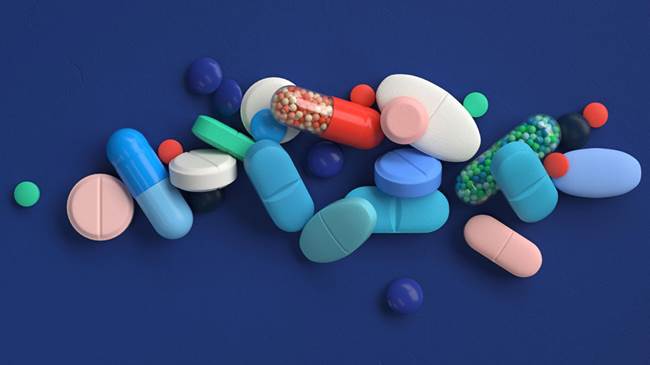
Iran reports that the domestic production and use of nanomedicines between 2016 and 2024 generated an estimated $593 million in savings for the country’s healthcare system.
The figures were released by the Vice-Presidency for Science, Technology and Knowledge-Based Economy, citing an assessment by its Nanotechnology and Microtechnology Development Headquarters.
According to the report, the savings resulted from comparing domestic nanomedicine prices and consumption levels with imported equivalents, as well as estimating reduced expenses linked to hospitalizations, side-effects and long treatment cycles associated with conventional drugs.
Officials say nanomedicines, which allow for more targeted delivery and lower toxicity, have decreased the need for high-dose prescriptions and supplementary therapies.
Six major nanomedicines were introduced in the country during the review period, including four cancer treatments, SinaDoxosome, Padinox, PacliNab and Tedrox, which accounted for the largest share of overall savings.
The products aim to increase efficacy, reduce adverse reactions and improve precision in targeting cancerous tissues.
Authorities say domestic production has also expanded patient access to advanced therapies by reducing dependence on foreign supplies, which have often been costly or subject to international disruptions.
Nanomedicine development has reduced direct and indirect treatment costs, improved access to innovative drugs and boosted Iran’s pharmaceutical technology capabilities, the report concludes.