Iranian researchers develop portable device for early detection of blood cancers
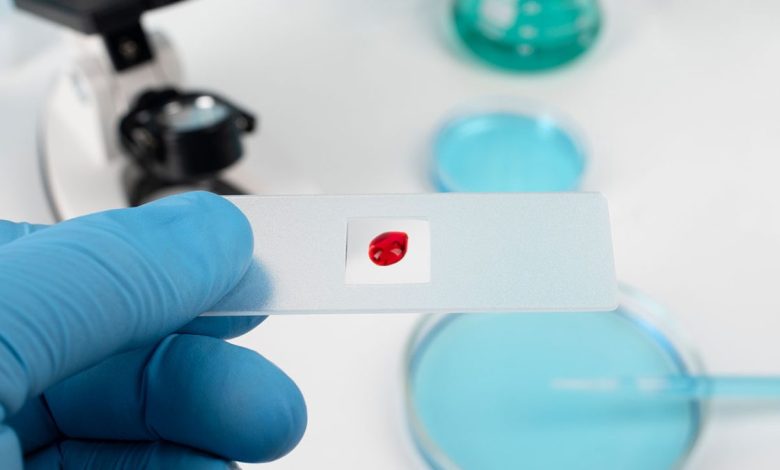
Scientists at Shiraz University have developed a miniature, portable optical “nose” capable of detecting blood cancers, including acute leukemia, with high sensitivity by analyzing patients’ blood biomarkers.
The device uses an array of fluorescent carbon quantum dots and metallic nanoclusters printed on a paper-based sensor platform housed in a small 3D-printed cube.
With only 60 microliters of blood, the system can detect volatile organic compounds, which are recognized as early cancer indicators, through fluorescence changes, which are then analyzed using linear discriminant statistical methods to differentiate between healthy and cancerous samples.
In preliminary tests, the device successfully distinguished between 70 leukemia patients and 51 healthy individuals, demonstrating high accuracy.
Unlike conventional methods such as bone marrow sampling, the technology is minimally invasive, fast, low-cost, and fully portable.
Researchers emphasize that early detection of blood cancers significantly improves treatment outcomes and see potential for applying the technology to other diseases associated with volatile biomarkers.
While further clinical validation across larger patient populations is needed before commercialization, this innovation represents a promising advance in hematology diagnostics, offering a practical tool for early-stage disease detection.