Iran embarks on AI development with national open-source platform
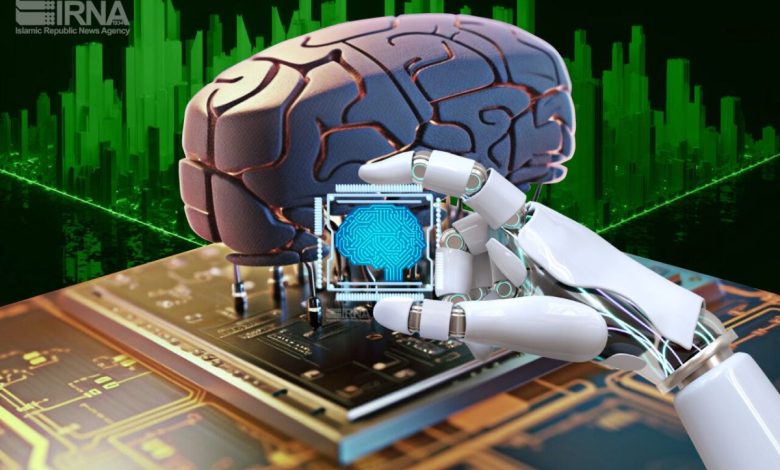
The Iranian Vice President for Science, Technology, and Knowledge-Based Economy, unveiled Iran’s national open-source artificial intelligence (AI) platform, signaling a major leap in the country’s technological development, according to the Communications and Information Center of the vice presidency.
Hossein Afshin said the platform will be fully available to academics, researchers, and the general public by March 2026, marking a significant step toward reducing Iran’s reliance on foreign technologies.
Afshin emphasized the platform’s role in fostering technological independence and inclusivity. “From today, students in remote villages and researchers in Tehran will have equal access to AI capabilities,” he said.
The initiative, supported by 38 knowledge-based companies, is part of Iran’s broader strategy to promote domestic innovation and position itself as a regional leader in AI development.
The Vice President hailed the Leader’s unwavering support for the project, recalling a meeting in October 2023 where the national AI program was presented.
“The Leader emphasized the importance of this project, and today, we proudly deliver on that promise,” Afshin stated, describing the platform as a tangible realization of Iran’s technological aspirations, calling it a “dream come true” for the nation.
The development of the platform was made possible by the establishment of a robust Graphics Processing Unit (GPU) farm, enabling high-performance data processing and positioning Iran as a member of the global AI community.
Afshin outlined a phased rollout plan: testing and optimization within three months, limited access for specialists and companies within six months, a beta version in September 2025, and the final release in March 2026.
In addition to the national AI platform, Afshin revealed plans for a large-scale, open-source Persian language model. This initiative aims to reduce Iran’s dependence on foreign AI models and enhance the digital presence of the Persian language.
“This is not just a technological step; it’s the dawn of a new era in national technology,” he said. The Persian language model is expected to drive AI adoption across various industries, from healthcare to education, while preserving Iran’s linguistic and cultural identity.
Afshin also emphasized the importance of science and technology diplomacy in Iran’s AI strategy, noting ongoing collaborations with leading AI nations. While details of these partnerships remain confidential, he expressed confidence that they would yield significant advancements.
“Science and technology diplomacy is a priority for us, and we believe its impact will speak louder than words,” he added.
Another key initiative announced was the development of AI-powered assistants for government cabinet members, in partnership with 13 top universities. These tools aim to enhance decision-making and administrative efficiency by providing data-driven insights and recommendations.
“The goal is to make government decisions more precise, humane, and intelligent,” Afshin explained.
Concluding his remarks, Afshin underscored the critical role of AI in shaping the future. “The 21st century is the era of technology, and AI is at its core,” he said. “There is no room for error in this complex field, as any misstep could set the country back in the global race for technological leadership.”